Mexico City Day Tours
I’m Serious Day Tour Man AI, your day trip expert. Ask me anything — where to go, how to get there, and what’s actually worth your day.
Mexico City has a city older than the Aztecs an hour to its northeast, canals the Aztecs actually built inside its southern edge, a colonial city that invented mole two hours away, and a silver town stacked on a hillside three hours out. The capital itself holds the hardest museum ticket in the hemisphere and the best street food on earth.
Three things to know before you plan. Book the Frida Kahlo Museum before your trip — tickets sell out weeks ahead and there are no sales at the door. The city sits at 7,350 feet, so walk slower and drink more water on your first day. And the pyramid climbing rules at Teotihuacán changed in 2025 — the current status is below.
Here’s what’s worth a day, with real times and honest trade-offs.

Popular Day Trips
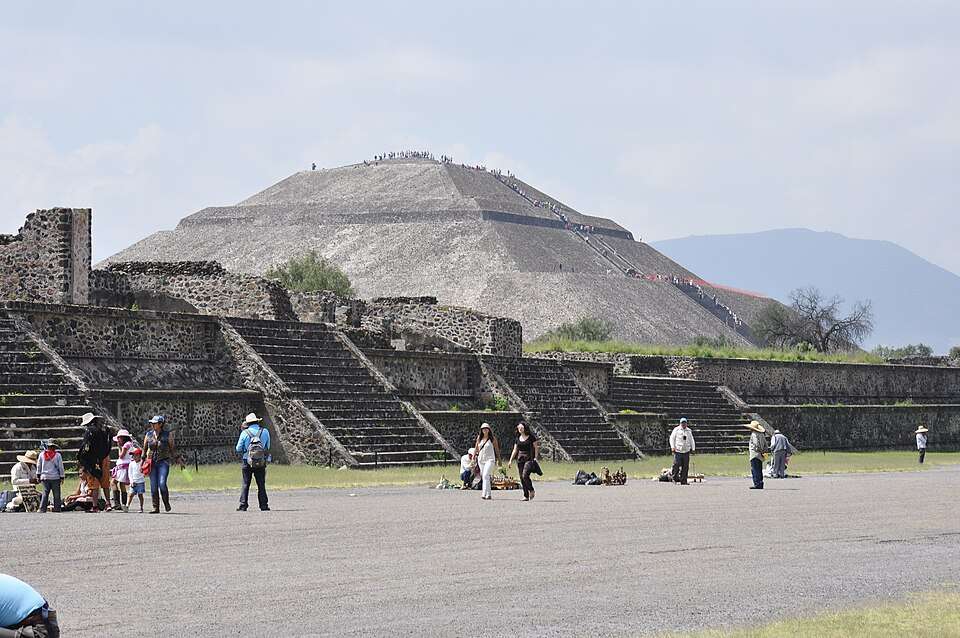
Teotihuacán
The Early Bus, the Avenue of the Dead
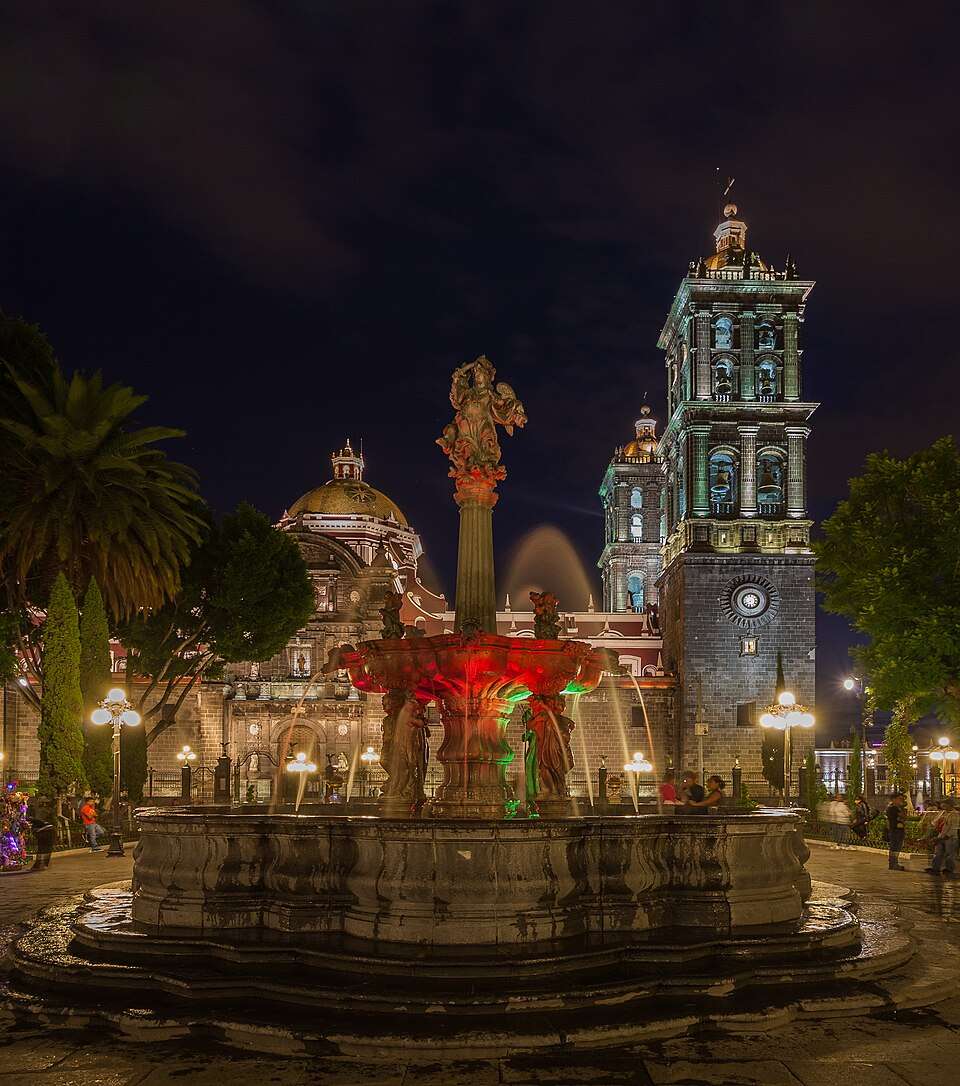
Puebla
The Two-Hour ADO Bus, the Golden Chapel
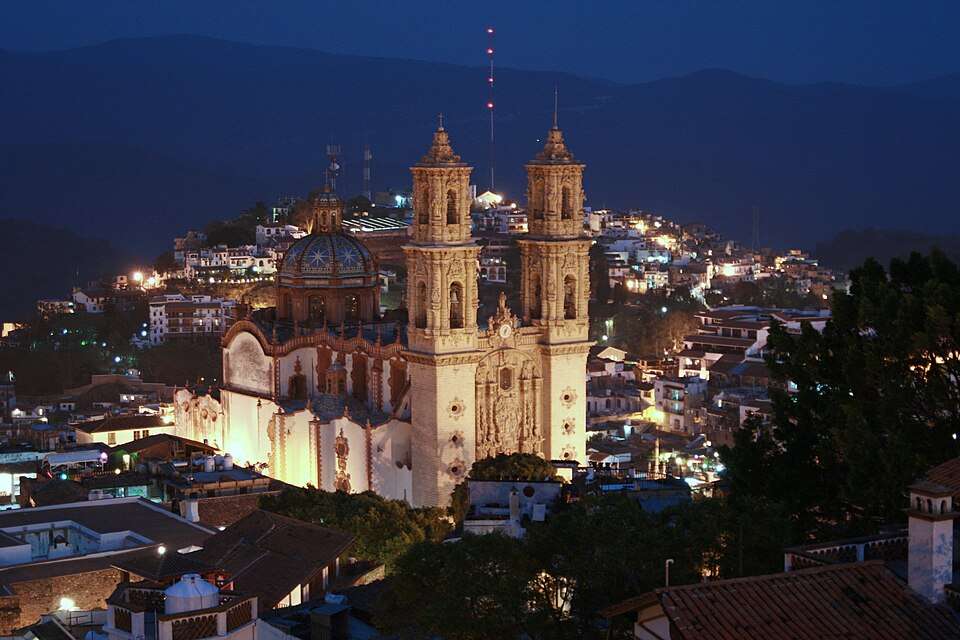
Taxco
The Silver Stamp, the Beetle Taxis
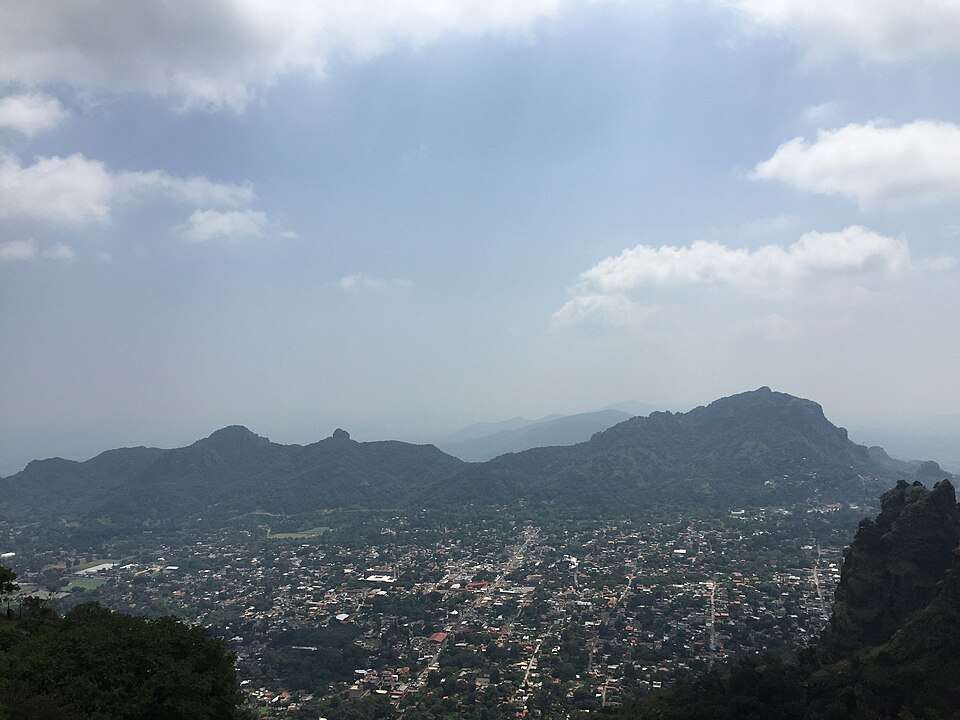
Tepoztlán
The Midweek Rule, the Cliff Pyramid
Teotihuacán — The Pyramids, Current Rules
Teotihuacán is the essential trip. It sits an hour northeast and was once the largest city in the Americas, with more than 100,000 people at its height. It was abandoned centuries before the Aztecs found it and named it “the place where the gods were made.” The Avenue of the Dead still runs two kilometers between the Pyramid of the Moon and the Pyramid of the Sun, the third-largest pyramid on earth.
Current climbing rules: the Pyramid of the Sun is closed to climbing, and climbing it anyway carries a real fine. The Pyramid of the Moon reopened in May 2025, but only to the top of its first platform — 47 steps. Check current status before you promise anyone a summit. The site delivers completely from ground level: the scale of the avenue, the carved serpent heads on the Temple of the Feathered Serpent, and the murals at Tepantitla.
Arrive at the 9 a.m. opening. Morning shade and noon exposure are different planets, and at this altitude a hat, water, and sunscreen count as equipment. The public bus from Autobuses del Norte is cheap and easy; tours add obsidian-workshop and pulque stops of varying value. Dawn hot-air balloon flights over the pyramids are the splurge, and they live up to their fame — book ahead, mornings only. La Gruta, the restaurant in an actual cave beside the site, charges tourist prices and mostly justifies them.
Read the full Teotihuacán day-trip page.
Xochimilco — The Canals
Xochimilco’s canals are the last remnant of the lake-and-garden system the Aztecs farmed, and they’re UNESCO-listed. You tour them on trajineras, painted flat-bottomed boats poled through the waterways. The experience depends entirely on when and where you board.
The famous version runs on weekend afternoons from the main piers. It’s a floating party: mariachi boats pulling alongside, micheladas, and Mexican families celebrating at full volume. This is not a tourist trap — it’s a genuine local institution. Join it on its own terms. The quiet version runs on weekday mornings, or from the Cuemanco pier near the ecological reserve. That one delivers herons, working chinampa farms, and the canals as landscape.
Practical points: prices are per boat per hour and posted officially. Don’t negotiate — just confirm the total before boarding. The Island of the Dolls is a long dedicated side trip into genuine creepiness; go only if that’s your temperament. The axolotl, the canal’s famous salamander, now survives mostly in conservation projects. Sanctuary visits support the recovery, but spotting a wild one is a lottery.
Puebla & Cholula — Mole, Talavera & the Buried Pyramid
Puebla, two hours southeast, is the kitchen of Mexico. Mole poblano was invented here — the convent legend is retold at Santa Rosa’s tiled kitchen — and you can verify it anywhere from the market fondas to El Mural de los Poblanos. Chiles en nogada appear in late summer. The cemita sandwich covers the street tier. The city center is UNESCO-listed for its talavera-tiled facades; workshop tours at the certified houses show why real talavera costs what it does. The Biblioteca Palafoxiana, the oldest public library in the Americas, is the quiet surprise.
Cholula, twenty minutes away, holds the trick headline: the Great Pyramid of Cholula is the largest pyramid on earth by volume, and it looks like a hill, because it is one now. It’s grass-grown, with a colonial church on top — the Spanish built Nuestra Señora de los Remedios on the summit, probably without knowing what lay beneath. Walk the tunnel through the excavated core, then climb to the church. On clear days Popocatépetl smokes on the horizon behind it.
Start early. Puebla’s center plus Cholula’s pyramid fills a day, and the volcano view is a morning phenomenon — by afternoon the haze usually takes it.
Read the full Puebla day-trip page.
Tepoztlán — The Sleeper With a Climb
Tepoztlán sits in a valley of cliff walls ninety minutes south. Legend makes it the birthplace of Quetzalcoatl, and the town wears its mystic reputation cheerfully. Temazcal sweat lodges range from genuine tradition to spa theater — ask who’s leading it before you book. The weekend market is one of the best in central Mexico; try the itacates, thick stuffed tortilla wedges that are the market’s own dish. The ex-convent of the Natividad anchors the town with a UNESCO-listed cloister.
The climb makes the day. The Tepozteco pyramid is a small Aztec temple perched improbably on the cliff top, reached by a steep stone staircase that takes an hour or more and never relents. Wear real shoes and carry water. At the top, coatis run a professional snack-theft operation — keep your bags zipped. The reward is the full valley panorama.
Weekends bring the Mexico City crowd and the market at full strength; weekdays trade the atmosphere for elbow room. On the way down, get ice cream at Tepoznieves — the flower-and-legend flavors are the local specialty.
Read the full Tepoztlán day-trip page.
Taxco — The Silver Town
Taxco cascades down a mountainside in white walls and red roofs, two and a half to three hours southwest. It’s the best-preserved colonial hill town in the country, built on silver veins that made it rich twice: first in the colonial boom, then in the 1930s, when William Spratling’s workshop revival created the Mexican silver-design tradition.
The Santa Prisca church is the centerpiece — rose-pink towers outside, gold retablos inside that justify the superlatives. For silver, buy from workshops and certified shops that will show you the .925 stamp; the plaza vendors’ low prices signal their alloy. White VW Beetle taxis stitch the vertical streets together, and the cable car or the Cristo viewpoint gives you the full-cascade photograph.
Be honest about the math: the day trip is five to six hours of road wrapped around four hours in town. Take it as a tour — the mountain driving is genuinely demanding — or stay overnight, when the town empties of day-trippers and turns lamplit. Cuernavaca’s Borda gardens make a good break en route.
Read the full Taxco day-trip page.
Frida, the Anthropology Museum & the City Itself
Book the Frida Kahlo Museum first. The Casa Azul in Coyoacán — the blue house where Kahlo was born, worked, and died — is the hardest casual ticket in the hemisphere. Timed entries sell out days to weeks ahead, tickets are sold online only, and there are no sales at the gate. Book before your trip, then give Coyoacán the rest of the day: the plazas, the market’s tostada counters, and the Trotsky house ten minutes away.
The National Museum of Anthropology in Chapultepec is the finest museum in the Americas. The Aztec Sun Stone, the Maya rooms, and Pakal’s jade mask anchor it. Give it a half day at minimum; the Mexica hall is the heart of it. Chapultepec Castle sits above the park for the imperial add-on.
In the Centro, one block holds the city’s layers: the Zócalo, the excavated Aztec Templo Mayor beside the cathedral, Diego Rivera’s murals at the National Palace, and Bellas Artes with its Tiffany-glass stage curtain.
The street food is the world’s best, and the rules are simple. Busy stands with local queues are the safe ones and the good ones — turnover is the signal, not decor. An al pastor trompo spinning at evening pace marks a real taqueria. Drink bottled or purified water, and settle the ice question by choosing busy places. For an evening, go to lucha libre at Arena México on a Tuesday or Friday night: masks, grandmothers cursing the villains, and a gloriously scripted morality play.
The dry months, November through April, are the season. The jacaranda bloom purples the whole city in March for free. In the rainy season, storms come in the afternoon — do everything in the morning. And respect the altitude: 7,350 feet means slower first-day walking, more water, and a glance at the air-quality apps in the dry season.
Frequently Asked Questions
Can you climb the pyramids at Teotihuacán?
The Pyramid of the Sun is closed to climbing. The Pyramid of the Moon reopened in May 2025, but only to its first platform — 47 steps. Check current status before you go, and know the site delivers fully from the ground.
Is Xochimilco a tourist trap?
No — it’s two real experiences. The weekend trajinera party is a genuine local institution, and weekday mornings from the quieter piers show the ancient canals as ecology. Confirm the official per-boat price before boarding.
How do you get Frida Kahlo Museum tickets?
Online only, days to weeks ahead — there are no ticket sales at the door. Book before your trip, and give Coyoacán the whole day around your entry slot.
Is Puebla worth a day trip from Mexico City?
Yes — mole at its birthplace, talavera workshops, and Cholula’s grass-grown Great Pyramid, the largest on earth by volume, with the volcano behind it. Start early: mornings win both the crowds and the clear-sky view.
Is Mexico City’s street food safe?
Yes, if you follow the crowd. Busy stands with spinning trompos and local queues are the safe and superior choice. Drink bottled or purified water, and let the line pick your taco stand.