Puebla in a Day
A UNESCO colonial capital two hours east — tiled facades, a chapel Mexicans call the eighth wonder, and the kitchen that invented mole poblano. The bus leaves every twenty minutes and the appetite plans the day.
The short version
- ADO runs the corridor at metro frequency — about two hours TAPO to Puebla’s CAPU, with the highway crossing the pass between the volcanoes when the haze permits the view; schedules at ado.com.mx.
- The Capilla del Rosario, inside Santo Domingo church, is the visit’s fixed star: a 17th-century Dominican chapel gilded entire — Talavera, onyx, and gold leaf compounding into Mexican baroque’s most complete room. Free, and worth planning around its open hours.
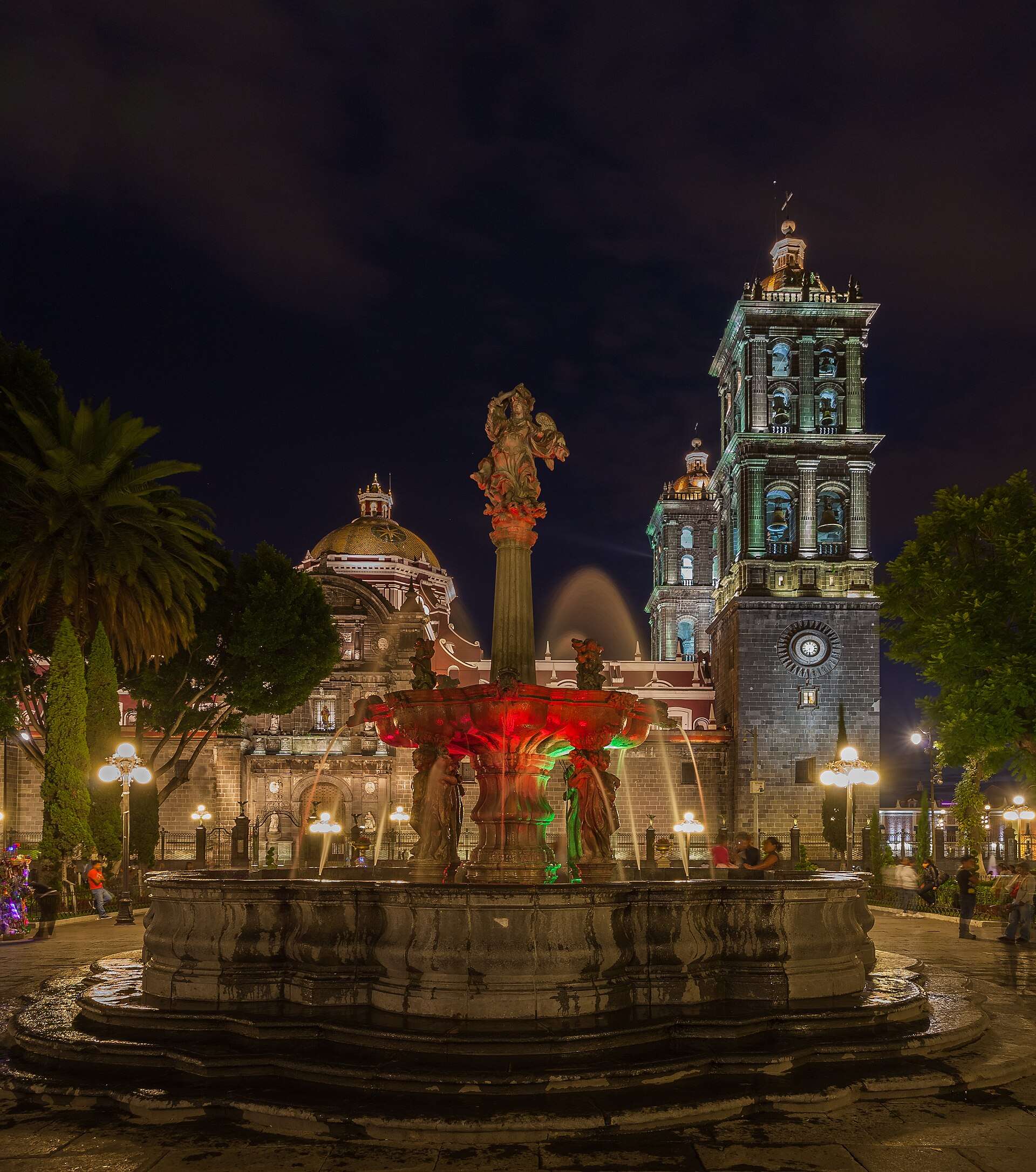
- The cathedral on the zócalo carries the country’s tallest towers and an interior to match; the surrounding blocks wear the talavera-tiled facades that put the center on the UNESCO list.
- Mole poblano claims its invention in Puebla’s convent kitchens — the traditional houses serve it as the sauce of state, and the lunch in the alarm is the day’s real itinerary.
- The Biblioteca Palafoxiana — the Americas’ first public library, 1646, shelved to the ceiling in cedar — and the Amparo Museum’s pre-Hispanic collection supply the culture hours.
- Cholula, twenty minutes by local transport, pairs the day with the largest pyramid on earth by volume — a grassed-over mountain of a ruin with a church on its summit and tunnels through its base.

Getting there
TAPO’s ADO counters sell the next departure with airline-style seat maps and none of the drama — the twenty-minute frequency makes missing a bus meaningless. At CAPU, authorized taxis and rideshares cover the fifteen minutes to the centro; the return runs the same machine in reverse until late evening. The volcano views en route — Popocatépetl trailing its plume on clear mornings — are the corridor’s bonus, best from the right side outbound.
The day
Centro first: the zócalo and cathedral, then Santo Domingo for the Rosario Chapel while the morning light works the gold — give it the unhurried half hour its density demands. The Palafoxiana library and the tiled streets (Calle de los Dulces for the candy economy, the Parián market for talavera shopping with provenance questions asked) fill the pre-lunch circuit. Then the main event: mole poblano at a traditional house, taken seriously and at length. The afternoon splits — the Amparo’s collections and the artists’ quarter for the city version, or the Cholula excursion for the pyramid’s tunnels, the summit church, and the volcano backdrop. Evening buses run late enough to make the choice unhurried.
When to go
October through May runs dry and clear — volcano-view season on the ride and rooftop season in town. Summer afternoons bring reliable but brief downpours that the arcades were built for. May 5th is Puebla’s own holiday (the battle happened here) with parades that fill the center; Day of the Dead season decorates it memorably. The chapel keeps church hours with midday closures some days — the one schedule item worth confirming on arrival, per the alarm’s planning-around instruction.
Frequently Asked Questions
Is Puebla safe and easy for independent visitors?
The tourist center is walkable, policed, and accustomed to visitors — standard city sense applies and suffices. The bus corridor is Mexico’s most trafficked and most routine. This is among the country’s easiest big day trips.
What exactly is mole poblano?
A sauce of chiles, spices, nuts, and chocolate in balance — dozens of ingredients, days of preparation in the serious kitchens — served over turkey or chicken. The convent-invention story is contested and beloved; the plate settles what the legend can’t.
Puebla or Teotihuacán with one spare day?
Teotihuacán for the pyramids-at-scale morning; Puebla for a full city of art, food, and streets. They’re different genres — this network documents both, and the honest answer is the one your appetite gives.
Is Cholula worth the add-on?
The pyramid’s strangeness — a mountain that turns out to be a building, tunnels through its heart, the church Cortés’s era planted on top — justifies the twenty-minute hop for most. It costs the Amparo hours; trade knowingly.
What should I bring home?
Talavera from certified workshops (the real thing carries provenance), camote sweets from the candy street, and a jar of mole paste from a maker rather than a supermarket. The bus handles boxes better than optimism suggests.